
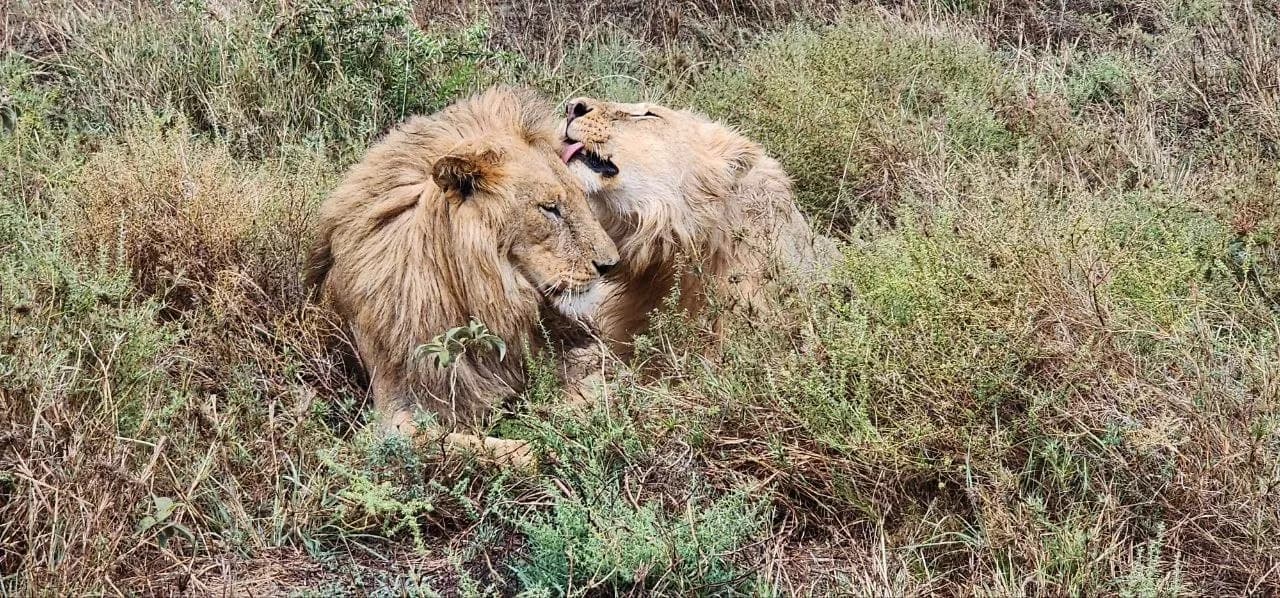
Ruaha holds 10% of the world's lions, Africa's largest elephants, and wild dogs — yet only a tiny fraction of visitors ever make it here. Here's why that's about to change for you.
Ruaha is Tanzania's largest national park at 20,226 square kilometres — and one of the least visited significant wildlife areas in East Africa. This is not because Ruaha is second-rate. It is because Ruaha is remote, requires a flight from Dar es Salaam or Arusha, and has only a fraction of the camp capacity of the Northern Circuit parks. For those who make the journey, Ruaha consistently produces what experienced safari travellers describe as the single finest wildlife experience in Tanzania — perhaps in Africa.
Why Ruaha Is Extraordinary
Ruaha holds an estimated 10% of the world's remaining lion population — thousands of lions concentrated in a park that sees relatively few tourists. The lion prides here are large, the males are massive, and the density of predator-prey interactions on the Great Ruaha River rivals anything in the Serengeti. But Ruaha's lions have not been habituated to the same degree as Serengeti populations — they are wilder, less predictable, and more thrilling to encounter because of it.
The elephant population of Ruaha is substantial and notable for tusk size. The so-called 'Ruaha bulls' — enormous old male elephants with massive ivory — are legendary among big game aficionados, though their numbers have been reduced by historical poaching. The park also holds one of Africa's most significant wild dog populations, and Ruaha is widely regarded as the best place in Tanzania — possibly in Africa — to see African wild dogs.
Wildlife at Ruaha
- ›Lion: extraordinary density; large prides with multiple adult males; very reliable sightings
- ›African wild dog: packs of 10–30 individuals; best park in Tanzania for wild dog encounters
- ›Leopard: rocky terrain and riverine forest create excellent habitat; reliable with patient searching
- ›Cheetah: present though less common than in open-grassland parks
- ›Elephant: large bulls with impressive tusks; herds congregate at the river in dry season
- ›Buffalo: large herds along the Great Ruaha River in dry season
- ›Kudu: both greater and lesser kudu — uncommon in northern Tanzania parks
- ›Sable antelope: one of Africa's most beautiful antelopes; reliable in Ruaha
- ›Roan antelope: another uncommon species rarely seen north of the Rift Valley
- ›Crocodile and hippo: massive concentrations in the Great Ruaha River pools
The Great Ruaha River
The Great Ruaha River is the ecological spine of the park. In the dry season (June–October), when surrounding water sources dry up, the river becomes the only water in the park and every species in the ecosystem converges on it. Morning drives along the river reveal hippo pods, enormous crocodiles, elephant family groups drinking at dawn, and lions on kills metres from the water. The concentration of life along the river during the dry season rivals anything in the Serengeti.
Walking safaris along the river — conducted with an armed ranger — are one of Ruaha's signature experiences. On foot, following a wild dog pack or approaching a pride of lions with a knowledgeable ranger, the scale of the park and the wildness of the animals take on a completely different dimension. Ruaha's walking safari experience is considered among the best in East Africa precisely because the wildlife is less habituated and the environment is genuinely remote.
Getting to Ruaha
Ruaha is in Tanzania's southern circuit, a significant distance from the Northern Circuit parks. You cannot combine Ruaha and the Serengeti efficiently in a single one-week itinerary. Most Ruaha visitors fly: Coastal Aviation, Auric Air, and other bush airlines operate scheduled and charter flights from Dar es Salaam and Arusha to Msembe airstrip inside the park. Flights from Dar es Salaam take approximately 60–75 minutes. From Arusha, the journey typically involves a connection in Dar or a direct charter.
Best Time to Visit Ruaha
The dry season from June to October is the prime time for Ruaha, particularly July to October when the Great Ruaha River concentrates wildlife from across the park. The wet season (December–April) sees the park transform — lush and green, good for birdlife and newborn animals — but some roads become impassable and fewer camps are open.
Combining Ruaha with Nyerere
Ruaha pairs naturally with Nyerere National Park (formerly Selous Game Reserve) — a vast wilderness in southern Tanzania that offers boat safaris on the Rufiji River, an experience available nowhere in the Northern Circuit. A southern circuit itinerary combining Ruaha (four to five nights, land-based safari and walking) with Nyerere (two to three nights, boat safari, and fly camping) is one of the most complete and rewarding Tanzania itineraries available.
Ruaha is the Tanzania safari that seasoned Africa travellers whisper about when they want to share a secret. It is harder to reach than the Serengeti, less famous, and significantly less crowded. It rewards the effort with wildlife encounters — wild dog hunts at dawn, lion prides on kills at the river, elephant bulls at sunset — that are every bit as dramatic as anything the Northern Circuit produces, with a fraction of the audience.
Based in Arusha, Tanzania
Ready to Experience It First-Hand?
Our expert team creates custom itineraries for every budget and timeframe. Get your personalised quote within 24 hours.