
Both countries are world-class safari destinations — but they deliver fundamentally different experiences. Here's an honest, detail-rich comparison to help you choose.
Tanzania and South Africa are Africa's two most visited safari destinations — and they are more different from each other than most first-time visitors expect. They share species and the concept of the safari, but they deliver fundamentally different experiences in terms of landscape, wildlife, infrastructure, culture, and what it feels like to be in the bush. Choosing between them is one of the most common questions in Africa travel planning, and the honest answer requires looking beyond the brochure claims of both.
Wildlife: The Core Comparison
Tanzania's wildlife argument rests on three things: the Great Migration, scale, and ecosystem integrity. The Serengeti-Mara ecosystem is the largest intact migratory wildlife system remaining on Earth, and no other African country has anything comparable. The annual movement of 1.5 million wildebeest and 500,000 zebra is a spectacle that Tanzania owns absolutely. Beyond the migration, the sheer density and variety of wildlife across Tanzania's multiple ecosystems — from the cheetahs of the Serengeti to the wild dogs of Ruaha to the chimpanzees of Mahale — is unmatched.
South Africa's wildlife argument rests on access and management. Kruger National Park has exceptional Big Five viewing, extremely well-maintained road infrastructure, and a network of private game reserves (Sabi Sand, Timbavati, Thornybush) adjacent to Kruger where leopards have been so thoroughly habituated over decades that close, extended encounters are almost routine. South Africa also has the highest density of private game reserves in Africa — malaria-free options like Madikwe, Waterberg, and the Cape Winelands reserves make it accessible to families with young children and travellers concerned about malaria risk.
Safari Experience: How They Feel Different
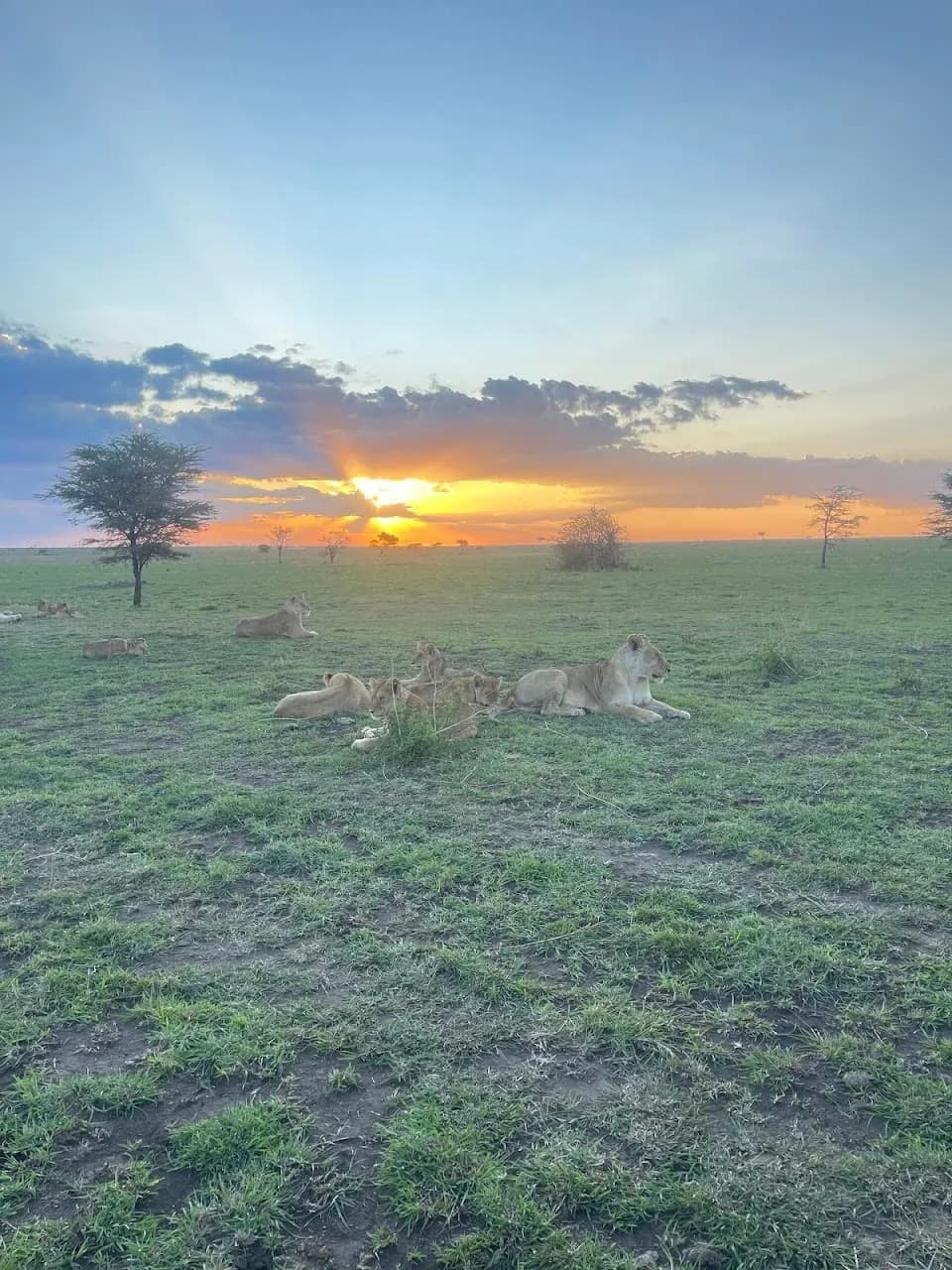
A Tanzania safari feels like wild Africa. The parks are vast, the roads are rough, the camps are isolated, and the wildlife is genuinely wild and unpredictable. Game drives often cover hundreds of kilometres of unfenced wilderness. There are no traffic lights between Arusha and the Serengeti, no supermarkets within a day's drive of your camp, and the night sky — because of the absence of light pollution — is extraordinary. This wildness is the essence of what Tanzania delivers.
A South Africa safari — particularly the private reserves — feels more polished. Night drives are standard, off-road driving is routine, and the guides in Sabi Sand are among the most knowledgeable in Africa specifically because they spend their entire careers tracking the same individuals in a relatively small reserve. The infrastructure is world-class. You can fly into Johannesburg on a codeshare, drive three hours to the reserve, and be on a game drive the same evening. The logistics are easy in a way that Tanzania's require planning.
Key Differences at a Glance
| Factor | Tanzania | South Africa |
|---|---|---|
| Great Migration | Yes — exclusively | No |
| Malaria Risk | Moderate to high in safari areas | Malaria-free options available |
| Off-road Driving | Private concessions only | Standard in private reserves |
| Night Drives | Private areas only | Standard in private reserves |
| Infrastructure | Basic to luxury; rough roads | Excellent; easy logistics |
| Leopard Viewing | Good but shy animals | Outstanding in Sabi Sand |
| Wild Dog | Excellent (Ruaha, Nyerere) | Good (Kruger and reserves) |
| Beach Combo | Zanzibar (outstanding) | Garden Route, Cape Town |
| First Safari Cost | Slightly higher overall | Mid-range is very competitive |
| Ecosystem Scale | Vast, wild, unfenced | Fenced reserves; smaller scale |
Which Is Better for a First Safari?
For a first-time Africa visitor choosing between Tanzania and South Africa, the decision often comes down to two factors: Do you want to see the Great Migration? And how important is malaria-free travel? If the Migration is on your list — and it should be — Tanzania is the only answer. If you are travelling with young children and want malaria-free options with excellent Big Five viewing, South Africa's Madikwe Reserve or Waterberg makes an excellent first safari that is logistically simpler and medically lower-risk.
Tanzania rewards visitors who embrace a wilder, more remote, and more authentic African experience. South Africa rewards visitors who want the most consistent, most easily organised, and most infrastructure-supported safari. Both are extraordinary destinations — the choice is genuinely about personality and priorities, not quality.
The Two-Country Solution
Many Africa regulars combine both countries: Tanzania for the Migration and Zanzibar beach, South Africa for Sabi Sand night drives, Cape Town, and the Garden Route. Two weeks across both countries captures the best of African wildlife and delivers two completely distinct cultural and landscape experiences.
Tanzania is wild Africa as it was meant to be experienced — vast, unpredictable, and humbling in scale. South Africa is wildlife tourism refined to a science — consistent, accessible, and polished to a high standard. Neither is a compromise. Both deserve to be on your Africa itinerary, at different points in your safari life.
Based in Arusha, Tanzania
Ready to Experience It First-Hand?
Our expert team creates custom itineraries for every budget and timeframe. Get your personalised quote within 24 hours.