
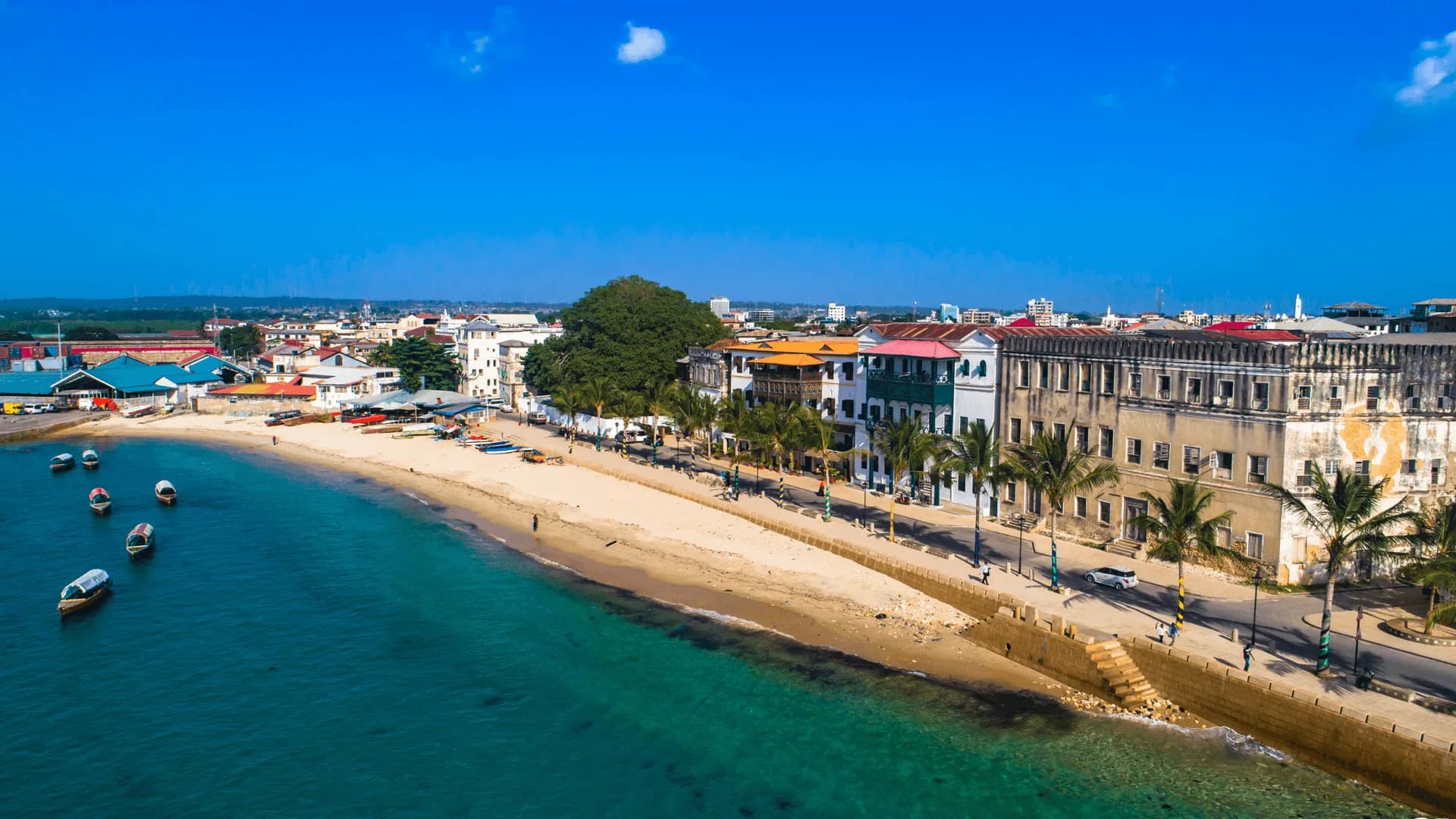
Zanzibar is the perfect final chapter to any Tanzania safari — white coral sand, turquoise Indian Ocean water, ancient Swahili culture, and extraordinary food. Here's everything you need to know.
Zanzibar is one of those places that rewards simply arriving. The air smells of cloves, cardamom, and the Indian Ocean. Stone Town's ancient coral-stone buildings and carved wooden doors line narrow alleyways that have hosted traders, sultans, and explorers for six centuries. And then there are the beaches — white coral sand, warm turquoise water, and a sense of Indian Ocean languor that makes the end of a Tanzania safari feel like the beginning of a second, completely different adventure.
Stone Town: The Historical Heart
Stone Town is a UNESCO World Heritage Site and one of the most intact examples of Swahili coastal trading culture in East Africa. Its architecture is extraordinary: Arab merchant houses with intricately carved wooden doors, Persian baths, Indian merchant quarters, a Portuguese chapel, and the House of Wonders — the first building in East Africa to have electricity and an elevator. Walking the old town without a map and getting lost in the lanes is one of the great low-tech pleasures of East Africa travel.
The Forodhani Gardens night market on the seafront serves Zanzibar's famous street food — fresh seafood grilled on open fires, Zanzibar pizza (a folded pastry stuffed with meat, cheese, and egg), sugarcane juice, and coconut-based sweets. Eating here is the best introduction to Zanzibari cuisine. During the day, the Darajani Market sells the spices that made Zanzibar famous: cloves, nutmeg, cinnamon, black pepper, vanilla, and cardamom.
The Best Beaches
Zanzibar's beaches vary dramatically in character, and choosing the right one for your visit depends on what you want. The east coast beaches — Paje, Bwejuu, Kiwengwa — face the Indian Ocean and are known for their fine white sand and excellent kite surfing conditions (the southeast trade winds blow consistently from June to October). The north coast — Nungwi and Kendwa — has calmer, deeper water that is swimmable at all tidal states, making it the most popular destination for general beach relaxation.
| Beach Area | Best For | Water Conditions | Vibe |
|---|---|---|---|
| Nungwi | General beach holiday, snorkelling | Calm, swimmable all tides | Busiest; most hotels and restaurants |
| Kendwa | Swimming, sunset parties | Calm, swimmable all tides | Lively; famous full-moon parties |
| Paje | Kitesurfing, budget travel | Shallow at low tide | Young, social; great kite scene |
| Bwejuu | Quiet relaxation | Shallow at low tide | Calm; less developed |
| Matemwe | Reef snorkelling, seclusion | Shallow at low tide | Peaceful; good for couples |
| Jambiani | Seaweed farm culture, budget | Shallow at low tide | Authentic village experience |
Marine Life and Water Activities
Zanzibar sits within the Western Indian Ocean coral reef system — one of the most biodiverse marine environments in the world. The reef around Mnemba Atoll, a short boat ride from the northeast coast near Matemwe, is among the finest snorkelling and diving sites in the Indian Ocean. Spinner dolphins, green sea turtles, hawksbill turtles, manta rays, and whale sharks are all present in Zanzibari waters at various times of year.
Whale shark encounters operate out of Nungwi and other north coast locations from October to February, when the animals congregate in the warm waters around the island. Swimming with whale sharks — the world's largest fish, perfectly harmless filter feeders — is a genuinely extraordinary experience. Reputable operators follow responsible encounter guidelines: no touching, maintain distance, limit group size. Book through certified operators only.
Spice Tours
Zanzibar was the world's leading clove producer for much of the 19th and early 20th century, and spice farming remains central to the island's identity. A half-day spice tour from Stone Town takes you to working spice farms where guides lead you through groves of clove, nutmeg, cinnamon, vanilla, pepper, and ylang-ylang trees — tasting, smelling, and understanding the spice that made this island famous. It is a relaxed, sensory experience that connects you to the island's history in a way that no museum quite manages.
Combining Zanzibar with a Tanzania Safari
Most Tanzania safari operators include Zanzibar as a natural extension — fly from the Serengeti or Kilimanjaro to Zanzibar Airport (ZNZ) and spend three to five nights on the island before flying home. This combination — the wild, dusty open plains followed by the gentle turquoise Indian Ocean — is one of the finest holiday contrasts available anywhere in the world.
The logistics are straightforward: scheduled flights from Arusha (JRO) to Zanzibar take approximately 45 minutes. Dar es Salaam to Zanzibar is a 20-minute flight or 70-minute fast ferry. Most operators can arrange seamless transfers between your safari and your Zanzibar accommodation with no additional stress on your part.
How Long in Zanzibar?
Three nights is the minimum to see Stone Town and one beach area. Five nights is ideal: two in Stone Town exploring the old town and waterfront, three on the beach at Nungwi or Paje. Seven nights allows you to experience multiple beach areas and add diving, whale shark snorkelling, or the Prison Island turtle sanctuary.
When to Go
Zanzibar has two rainy seasons that correspond roughly to Tanzania's: the long rains from March to May and the short rains in November. The dry season from June to October is the most popular period, with warm temperatures, consistent sunshine, and excellent diving conditions. January and February are also excellent — warm, mainly dry, and the period when whale sharks are most reliably present. March to May sees the lowest prices but the heaviest rainfall.
Zanzibar does not exist to be rushed. The island has a pace — slow, spiced, ocean-cooled — that is completely at odds with the intensity of the safari. Give yourself enough time to let that pace find you. The beaches are exceptional but they are just one part of what makes Zanzibar extraordinary. The alleyways of Stone Town at dusk, the call to prayer echoing off coral-stone walls, the smell of cloves in the morning market — these are the things you will still remember years later.
Based in Arusha, Tanzania
Ready to Experience It First-Hand?
Our expert team creates custom itineraries for every budget and timeframe. Get your personalised quote within 24 hours.